
Actually, a lot of the stuff about meat going bad is cultural and/or misinformation or simply just a food myth.
We’ve been taught that the second meat stops being “fresh”, it’s dangerous. “Smell it, bin it and don’t ask questions”. But here’s the uncomfortable truth: People almost never eat truly fresh meat… in fact, people actively ‘rot’ some of the best meat on earth on purpose. Ever heard of dry-aged steak? It’s a delicacy. People pay a premium for that. So why do people celebrate dry-aged steak but panic when meat supposedly ‘goes off’?
People rarely eat fresh meat. It’s hard to do, because it takes a while to get the meat from butchering to shops to the table, and also, fresh meat just is not very good.
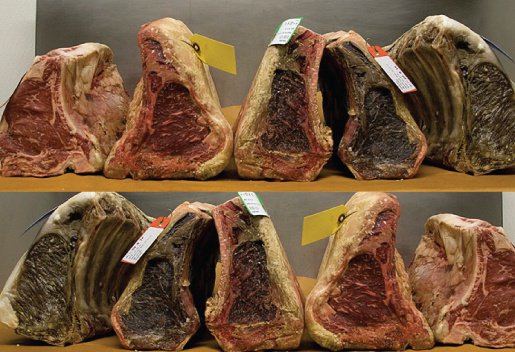
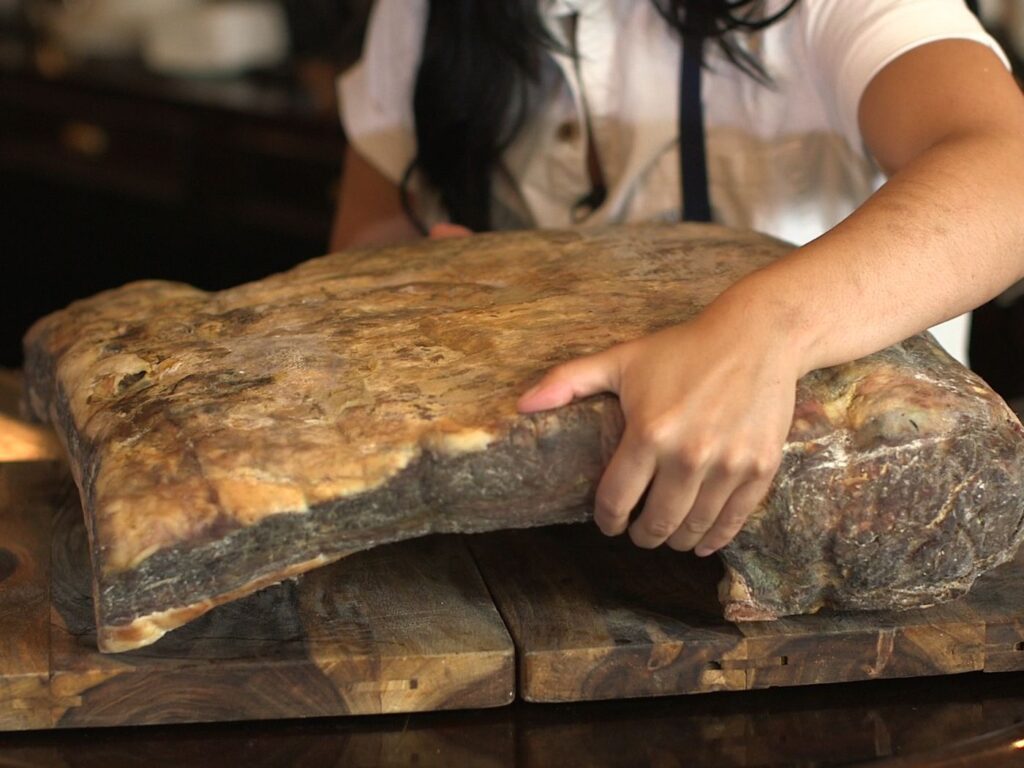
People dry (or wet) age steak by letting it rest for a long time. It develops a slightly funky smell and taste, and we often discard the outer layer. It’s really good, despite how it may look.
Maggots – another food myth
Maggots aren’t pleasant to look at, but you can actually eat them… and they produce an antibiotic film, that protects the meat from bacteria, and they eat up the most rotten bits. They are actually used in medicine to treat wounds by eating dead parts, and coating the wound in their antibiotic mucus.
It might sound strange, but keep in mind that casu marzu (maggot infected cheese) is considered a delicacy.
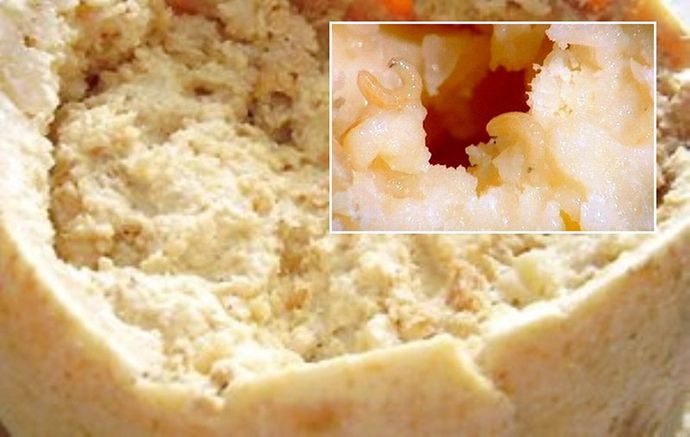
Many cultures waited until there were a couple of maggots to start eating the meat: it was not considered a big deal like it would be now.
We eat a LOT of “rotten” food… it’s super tasty!
Cheese, wine, beer, yogurt, kimchi, sauerkraut, traditional bread, pickles, vinegar, kefir, buttermilk, chocolate, miso, natto, fish sauce, stinky tofu, tempeh… Fermenting stuff is not new.
You set up the conditions for certain microorganisms to be the ones most likely to develop, and then you let things “rot” for a while.
Ageing, Spoilage and Rot: What’s the Difference?
These three terms get used interchangeably, but they describe very different processes.
Ageing is controlled decay.
It’s a deliberate process where enzymes naturally present in meat break down muscle fibres over time. This improves tenderness and concentrates flavour. Dry-aged steak is the most famous example, but wet ageing (vacuum-sealed meat resting in its own juices) is far more common and happens in almost every commercial supply chain. Ageing is predictable, controlled… and when done correctly: safe!
Spoilage is uncontrolled change.
This happens when bacteria that cause off smells, slime, or sour flavours begin to dominate. Spoiled meat isn’t automatically lethal, but it’s a warning sign that conditions (time, temperature, oxygen, or handling) are no longer under control. Spoilage is about quality first, safety second.
Rot is active decomposition.
This is when harmful bacteria are thriving, producing toxins that cooking cannot destroy. Rot is usually accompanied by unmistakable signs: strong putrid odours, gas, extreme discolouration, or a texture that has clearly broken down. This is the point where meat becomes genuinely dangerous.
The problem is that culturally, we’ve lumped all three into one word: rotten. And that misunderstanding causes both unnecessary waste… and often: misplaced confidence.
Rotten food and other food myths to avoid
Now, don’t get me wrong here… it’s not all just a myth and paranoia. Meat can, and does, spoil in certain circumstances. And can be dangerous to consume (even when cooked), because of toxins that build up.
A Simple Rule of Thumb for Home Cooks:
- Ageing smells nutty, meaty or “slightly funky” – think cheese or cured meat.
- Spoilage smells sour, sharp, or unpleasant – a sign quality is gone.
- Rot smells unmistakably foul – bin it immediately!!!
Once crucial rule:
If meat smells “off”, cooking won’t magically make it safe. But if it smells “different” rather than “bad” then context matters... Slime ≠ instant death, but it’s a quality red flag 🙁
.. Grey or darkened meat ≠ rotten (probably just oxidation)
.. Bloated packaging = discard without debate!
If you do manage to get food poisoning: Stay hydrated, rest, and avoid solid foods until symptoms improve. If symptoms are severe or persist, seek medical attention. Most cultures err on the side of caution and prefer the “better safe than sorry” approach. They stick to whatever preparation methods they know are safe… and you should do that too.
Head on over to the smoked food section of my online braai shop to buy some of the best (not fresh ) smoked meats and other delicacies.
